
-
OTC
- Allergy
- Antiparasitic Agents
- Painkillers and Antispasmodics
- Venotonics
- Dermatological Agents
- Gastrointestinal Tract
- Immunomodulators
- Infectious and Inflammatory
- Weight Control, Weight Loss
- Neurological Agents
- Ophthalmic Preparations
- Cardiovascular Diseases
- Sleep Aids
- Cold and Flu Remedies
- Thyroid Disorders
- Diabetes Treatments
- Urological Agents
- Sedatives
- Ear Drops
- Vitamins and Minerals
- Men's Health
- Women's Health
- Laxatives
- Liver Disease Treatments
- Hemorrhoid Treatments
- Nasal Drops and Sprays
- Antiseptic
- Bruises and Contusions
- Antifungal Agents
- Blood Pressure Medications
- Joint Pain
- Oils
- Dry Herbs & Berries
- Ointments
- Herbal Teas
- Tinctures
- Syrups
- Beauty
This information is for general purposes only and should not be considered as medical advice. Always consult with a qualified healthcare professional for any medical concerns or questions you may have.
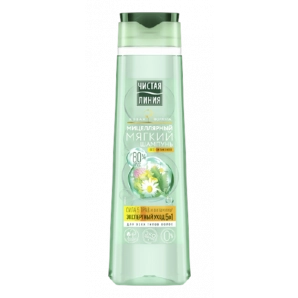
Micellar Shampoo Freshness and Detox with Chamomile: A Gentle Approach to Scalp Care
Micellar shampoo with chamomile is becoming a popular choice for people who want a fresh, clean feeling without using an overly harsh hair cleanser. Combining micellar technology with the soothing qualities of chamomile, this type of shampoo is designed to remove excess oil, sweat, product residue, and everyday impurities while helping hair feel soft and refreshed. Although it is a cosmetic product rather than a medicine, micellar shampoo can support a healthy hair-care routine when used correctly and selected according to individual scalp needs.
The terms “freshness” and “detox” are widely used in hair-care marketing. In practical terms, detox refers to cleansing the scalp and hair of buildup rather than removing medical toxins from the body. A well-formulated micellar shampoo may help reduce the accumulation of styling products, pollution particles, sebum, and dead skin cells. Chamomile is often included to provide a gentle, comforting botanical element that may be suitable for people who prefer mild scalp-care formulas.
What Is Micellar Shampoo?
Micellar shampoo contains micelles, which are tiny clusters of cleansing molecules suspended in water. These molecules have a water-attracting side and an oil-attracting side. When applied to wet hair, micelles can surround and lift away oil, dirt, and residue so that they can be rinsed from the scalp and hair. This cleansing action is generally considered a gentle alternative to stronger degreasing formulas.
Unlike some deep-cleansing shampoos, micellar formulas are commonly designed for regular use. They may provide a lightweight cleanse without leaving the hair feeling excessively stripped. However, the experience depends on the full ingredient list, the concentration of surfactants, the condition of the hair, and how frequently the product is used.
How Micelles Support Hair Freshness
- They help lift excess oil and sweat from the scalp.
- They can remove light styling-product residue and environmental particles.
- They may leave the roots feeling cleaner and less weighed down.
- They can provide a fresh washing experience without requiring aggressive scrubbing.
The Role of Chamomile in Scalp Care
Chamomile is a flowering herb traditionally used in personal-care products and soothing preparations. Cosmetic formulas may contain chamomile extract because of its pleasant botanical profile and its reputation for being gentle. Chamomile is associated with calming and conditioning properties, although the benefits of a shampoo depend on the amount used, the extraction method, the rest of the formula, and the short contact time before rinsing.
For some users, chamomile shampoo may help hair feel smoother and the scalp feel more comfortable after washing. It should not be considered a treatment for eczema, psoriasis, fungal infections, severe dandruff, or other medical scalp conditions. People with persistent itching, redness, scaling, pain, or hair loss should seek advice from a qualified healthcare professional or dermatologist rather than relying only on a cosmetic shampoo.
Freshness and Detox Benefits of Micellar Shampoo with Chamomile
The main appeal of micellar shampoo with chamomile is its balance between cleansing and comfort. It may be particularly useful for individuals whose hair becomes oily at the roots but feels dry or delicate through the lengths. By helping remove buildup from the scalp, the shampoo can improve the feeling of cleanliness and allow the hair to appear lighter and more refreshed.
1. Removes Everyday Buildup
Hair can collect residue from dry shampoo, hairspray, gels, oils, conditioners, hard water, sweat, and airborne pollution. Mild micellar cleansing may help reduce this surface buildup. A cleaner scalp can make hair look less dull and may improve the performance of conditioners and other hair-care products.
2. Provides a Lightweight Clean
Heavy or strongly conditioning shampoos can sometimes make fine hair look flat. Micellar formulas are often developed with a lighter cleansing feel, which may help preserve movement and volume. This does not mean that every micellar shampoo is suitable for fine hair, so consumers should review the formula and observe how their hair responds after several washes.
3. Supports a Comfortable Washing Routine
Chamomile can add a soothing, fresh character to the product. When combined with gentle cleansing agents, it may be appropriate for people who prefer a simple scalp-care routine. A comfortable shampooing experience can also encourage consistent washing habits, which are important for managing ordinary oil and sweat.
Who May Benefit from This Shampoo?
Micellar shampoo with chamomile may suit normal, combination, oily, or easily weighed-down hair. It can also be useful for people who use styling products regularly or live in urban environments where hair is exposed to dust and pollution. Those with dry, curly, bleached, or chemically treated hair may benefit from pairing the shampoo with a moisturizing conditioner or mask applied mainly to the mid-lengths and ends.
People with very sensitive skin should introduce any new product gradually. Even plant-based ingredients can cause irritation or allergic reactions in susceptible individuals. Chamomile belongs to the Asteraceae or Compositae plant family, which also includes ragweed, chrysanthemums, and marigolds. Individuals with known sensitivities to these plants should read product labels carefully and consider professional advice before use.
How to Use Micellar Shampoo for Best Results
- Wet the scalp and hair thoroughly with lukewarm water.
- Apply a moderate amount of shampoo primarily to the scalp and roots.
- Massage gently with the fingertips rather than scratching with the nails.
- Allow the lather to move through the lengths during rinsing instead of aggressively rubbing them.
- Rinse completely and repeat only if the hair contains substantial buildup.
- Follow with conditioner on the lengths and ends when needed.
- Use cool or lukewarm water instead of very hot water, which may increase dryness.
Washing frequency should be based on scalp oiliness, physical activity, climate, hairstyle, and personal preference. An oily scalp may require more frequent cleansing, while dry or textured hair may need less frequent washing. Excessive washing or vigorous scrubbing can contribute to dryness and irritation, so more shampoo is not always better.
Micellar Shampoo Versus Clarifying Shampoo
Micellar shampoo is generally intended to offer gentle, regular cleansing. Clarifying shampoo is typically formulated for a more intensive removal of mineral deposits, heavy oils, silicone-rich products, or stubborn styling residue. A clarifying product may be helpful occasionally, but frequent use can leave some hair types rough, dry, or difficult to manage. Micellar shampoo with chamomile may be a better everyday option for people seeking freshness without a strong stripping sensation.
Ingredients to Consider
When choosing a micellar shampoo, look for a formula that matches your scalp and hair condition. In addition to micelles and chamomile extract, some products contain humectants such as glycerin, conditioning agents, panthenol, or gentle surfactants. Fragrance can improve the sensory experience but may bother fragrance-sensitive users. Reading the ingredient list and checking the product’s intended use can help reduce the chance of selecting an unsuitable formula.
Safety and Medical Considerations
Micellar shampoo with chamomile is not a medication and should not be used to replace treatment prescribed for a scalp disorder. Stop using the product if burning, swelling, rash, severe itching, or worsening irritation occurs. Rinse thoroughly if shampoo enters the eyes. If dandruff, scalp inflammation, sores, or unexplained hair shedding continues, consult a healthcare professional. A dermatologist can identify the underlying cause and recommend evidence-based treatment when necessary.
Conclusion
Micellar shampoo freshness and detox with chamomile offers a gentle way to cleanse away everyday oil, sweat, pollution, and styling residue. Its micellar cleansing system may help hair feel light and refreshed, while chamomile adds a botanical, comforting element to the formula. The best results come from using the product according to hair type, avoiding excessive scrubbing, conditioning dry lengths, and paying attention to signs of irritation. As a cosmetic product, it can support routine scalp hygiene but cannot diagnose or treat medical conditions.
Note: This article is for informational purposes only and should not be considered medical advice.
Additional Information
| SKU | CH79630 |
|---|---|
| Brand | N/A |
| Size | N/A |
| Manufacturer | N/A |
- Be the first to review this product
Write Your Own Review
Also Purchased
Popular Product
Contact Information
-
Email:
sale@apteka366.com -
Address:
Brooklyn, NY 11235 -
Return Address:
2609 East 14 Street #333
Brooklyn, NY 11235


