
-
OTC
- Allergy
- Antiparasitic Agents
- Painkillers and Antispasmodics
- Venotonics
- Dermatological Agents
- Gastrointestinal Tract
- Immunomodulators
- Infectious and Inflammatory
- Weight Control, Weight Loss
- Neurological Agents
- Ophthalmic Preparations
- Cardiovascular Diseases
- Sleep Aids
- Cold and Flu Remedies
- Thyroid Disorders
- Diabetes Treatments
- Urological Agents
- Sedatives
- Ear Drops
- Vitamins and Minerals
- Men's Health
- Women's Health
- Laxatives
- Liver Disease Treatments
- Hemorrhoid Treatments
- Nasal Drops and Sprays
- Antiseptic
- Bruises and Contusions
- Antifungal Agents
- Blood Pressure Medications
- Joint Pain
- Oils
- Dry Herbs & Berries
- Ointments
- Herbal Teas
- Tinctures
- Syrups
- Beauty
This information is for general purposes only and should not be considered as medical advice. Always consult with a qualified healthcare professional for any medical concerns or questions you may have.
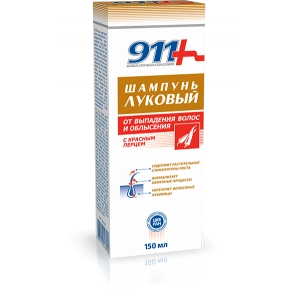
911 Onion Shampoo for Hair Loss and Baldness with Nettle Extract
911 Onion Shampoo with Nettle Extract is a popular hair-care product marketed for people concerned about hair loss, thinning hair, weak strands, and the early appearance of baldness. Its formula combines onion extract with nettle extract and cleansing ingredients designed to refresh the scalp, remove excess oil, and support a healthier-looking hair-care routine. Although shampoo cannot reverse every type of hair loss, a product such as 911 Onion Shampoo may help improve the appearance, manageability, and overall condition of the hair when used consistently and correctly.
Hair loss can have many causes, including hereditary pattern baldness, hormonal changes, stress, nutritional deficiencies, scalp conditions, certain medicines, and medical disorders. For this reason, it is important to view onion shampoo as a cosmetic and supportive product rather than a guaranteed medical treatment. Understanding its ingredients, possible benefits, limitations, and proper use can help consumers make informed decisions about adding it to their routine.
What Is 911 Onion Shampoo?
911 Onion Shampoo is a cleansing shampoo formulated with onion extract and commonly promoted for dry, fragile, thinning, or damaged hair. The product is intended to cleanse the scalp while helping hair feel stronger, smoother, and more nourished. Some versions also contain nettle extract, botanical ingredients, conditioning agents, vitamins, proteins, or plant-based compounds that may contribute to a pleasant scalp and hair-care experience.
Onion extract is widely used in cosmetic products because onions naturally contain sulfur compounds, antioxidants, and other plant nutrients. Nettle extract, obtained from the stinging nettle plant, is also found in many shampoos and scalp-care products. These ingredients are generally included to support scalp freshness and improve the cosmetic appearance of the hair rather than to provide a proven cure for baldness.
Potential Benefits of Onion Extract for Hair
Onion extract has attracted attention in hair-care discussions because of its sulfur content and antioxidant properties. Sulfur is involved in the structure of keratin, a protein that makes up much of the hair shaft. In a shampoo, onion extract may help hair feel cleaner and more conditioned, although the amount of an ingredient that remains on the scalp after rinsing can be limited.
Possible cosmetic benefits of 911 Onion Shampoo may include:
Supporting a cleaner scalp by removing oil, sweat, and styling-product residue.
Helping hair appear fuller, smoother, or more polished after washing.
Reducing the rough or dry feeling associated with damaged hair when conditioning ingredients are present.
Contributing to a refreshing scalp-care routine for people with weak or thinning-looking hair.
Helping minimize breakage when hair is handled gently and maintained with suitable conditioning care.
These potential benefits relate mainly to scalp hygiene and the appearance of the hair shaft. They should not be interpreted as proof that onion shampoo can regrow hair in areas affected by permanent follicle loss.
How Nettle Extract May Support Scalp Care
Nettle extract is a botanical ingredient used in traditional personal-care preparations. It contains naturally occurring plant compounds and is often included in shampoos designed for oily, dull, or weak hair. Nettle may help provide a fresh, clean feeling and can complement other ingredients in a scalp-cleansing formula.
Some consumers use nettle-based products because they believe the ingredient supports healthy-looking hair and scalp balance. However, strong clinical evidence that nettle shampoo alone treats androgenetic alopecia, alopecia areata, or other medical causes of baldness remains limited. The benefits of nettle extract in a rinse-off shampoo should therefore be considered supportive and cosmetic.
911 Onion Shampoo and Hair Loss
Hair loss is different from hair breakage. Hair loss occurs when strands shed from the follicle or when follicles stop producing normal growth. Breakage happens when the visible hair shaft becomes weak and snaps. A shampoo may help reduce dryness, tangling, and breakage, but it generally cannot change the biological process responsible for follicle miniaturization or scarring hair loss.
For hereditary pattern hair loss, evidence-based options may include professional evaluation, topical medicines, oral treatments prescribed by a qualified clinician, or procedural therapies when appropriate. The best approach depends on the cause, the person’s health history, and the pattern of shedding. Using onion shampoo may be reasonable as part of a gentle hair-care routine, but it should not replace diagnosis or proven treatment.
How to Use 911 Onion Shampoo
Apply a moderate amount of shampoo to wet hair and massage it gently into the scalp with the fingertips. Avoid scratching with the nails, as this may irritate the skin. Allow the product to remain for the time recommended on its packaging, then rinse thoroughly with clean water. A conditioner may be used on the lengths and ends if the hair feels dry or tangled.
For best hair-care results:
Follow the directions printed on the product label.
Use lukewarm rather than very hot water.
Avoid vigorous rubbing, tight hairstyles, and frequent high-heat styling.
Do not wash more often than needed for the hair and scalp type.
Stop using the product if burning, swelling, severe itching, or a rash develops.
Because individual hair types respond differently, some people may prefer occasional use while others may tolerate regular washing. The scalp should feel clean and comfortable after use, not tight, painful, or excessively dry.
Possible Side Effects and Precautions
Most people can use cosmetic shampoos safely when the products are used as directed, but irritation or sensitivity is possible. Onion extract, fragrance, preservatives, cleansing agents, or botanical ingredients may cause redness, itching, dryness, or a stinging sensation in sensitive individuals. People with eczema, psoriasis, open sores, or an already irritated scalp should seek professional guidance before trying a new product.
Performing a small patch test can help identify sensitivity, although it cannot guarantee that a reaction will not occur on the scalp. Keep shampoo away from the eyes and rinse immediately with plenty of water if contact occurs. Anyone experiencing sudden, severe, or patchy hair loss should consult a dermatologist or another qualified healthcare professional.
Who May Consider Using It?
911 Onion Shampoo with Nettle Extract may appeal to adults who want a botanical cleansing shampoo for weak, dull, dry, or thinning-looking hair. It can be used as part of a broader routine that includes balanced nutrition, gentle styling practices, adequate sleep, and professional assessment when hair shedding persists. People with a known allergy to onions, nettle, fragrance, or any listed ingredient should review the label carefully before use.
Expectations are important. The shampoo may improve the feel and appearance of hair, but visible regrowth is not guaranteed. Results, if noticed, may relate to reduced breakage, improved manageability, or better scalp cleansing rather than the creation of new follicles.
Final Thoughts on 911 Onion Shampoo for Baldness
911 Onion Shampoo for Hair Loss and Baldness with Nettle Extract is a cosmetic scalp-care product that combines onion extract, nettle extract, and cleansing ingredients. It may help hair look cleaner, softer, and healthier while supporting a gentle daily routine. However, shampoo alone is unlikely to treat the underlying causes of significant hair loss or established baldness.
For ongoing shedding, widening part lines, receding hairlines, bald patches, scalp pain, or sudden changes in hair density, medical evaluation is recommended. Identifying the cause early can make it easier to choose suitable treatment and protect scalp health. Use 911 Onion Shampoo according to the label and consider it one part of a complete, evidence-informed hair-care plan.
Note: This article is for informational purposes only and should not be considered medical advice.
Additional Information
| SKU | TW60001 |
|---|---|
| Brand | No |
| Size | No |
| Manufacturer | No |
- Be the first to review this product
Write Your Own Review
Also Purchased
Popular Product
Contact Information
-
Email:
sale@apteka366.com -
Address:
Brooklyn, NY 11235 -
Return Address:
2609 East 14 Street #333
Brooklyn, NY 11235


