
-
OTC
- Allergy
- Antiparasitic Agents
- Painkillers and Antispasmodics
- Venotonics
- Dermatological Agents
- Gastrointestinal Tract
- Immunomodulators
- Infectious and Inflammatory
- Weight Control, Weight Loss
- Neurological Agents
- Ophthalmic Preparations
- Cardiovascular Diseases
- Sleep Aids
- Cold and Flu Remedies
- Thyroid Disorders
- Diabetes Treatments
- Urological Agents
- Sedatives
- Ear Drops
- Vitamins and Minerals
- Men's Health
- Women's Health
- Laxatives
- Liver Disease Treatments
- Hemorrhoid Treatments
- Nasal Drops and Sprays
- Antiseptic
- Bruises and Contusions
- Antifungal Agents
- Blood Pressure Medications
- Joint Pain
- Oils
- Dry Herbs & Berries
- Ointments
- Herbal Teas
- Tinctures
- Syrups
- Beauty
This information is for general purposes only and should not be considered as medical advice. Always consult with a qualified healthcare professional for any medical concerns or questions you may have.
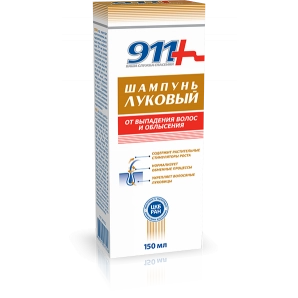
911 Burdock Shampoo Against Hair Loss: Medical Uses, Benefits, and Expectations
911 Burdock Shampoo is marketed as a cleansing and hair-care product designed to support the appearance and condition of thinning or weak hair. It commonly attracts attention from people searching for a burdock shampoo against hair loss because burdock root has a long history in traditional herbal care. However, it is important to understand the difference between a cosmetic shampoo and a medically proven treatment for hair loss. Shampoo may improve scalp cleanliness, reduce breakage, and make hair appear fuller, but it usually cannot address the underlying cause of persistent shedding.
What Is 911 Burdock Shampoo?
911 Burdock Shampoo is generally presented as a botanical hair product containing burdock-related extracts and other conditioning or cleansing ingredients. Product formulas can vary by manufacturer, country, and production batch, so consumers should read the current packaging carefully. Some versions may include additional plant extracts, vitamins, proteins, moisturizers, or ingredients intended to refresh the scalp and strengthen the hair fiber.
Burdock, also known botanically as Arctium, is traditionally used in personal-care products because of its soothing and conditioning reputation. In shampoo, burdock extract is applied externally and rinsed away. This means that its contact with the scalp is relatively brief. Although this may support scalp comfort, it should not be confused with clinical evidence that burdock shampoo can regrow hair or cure androgenetic alopecia.
Can Burdock Shampoo Stop Hair Loss?
At present, there is limited high-quality clinical evidence showing that 911 Burdock Shampoo alone stops hair loss or stimulates significant new growth. Hair loss can result from many different conditions, including hereditary pattern hair loss, hormonal changes, thyroid disease, nutritional deficiencies, scalp inflammation, infections, autoimmune disorders, medication effects, and physical or emotional stress.
A shampoo works mainly on the surface of the scalp and hair shaft. It may remove excess oil, sweat, styling residue, and flakes. A clean scalp can create a healthier environment for existing hair, while conditioning ingredients may reduce friction and breakage. These effects can make the hair look thicker or less fragile, but they do not necessarily mean that follicles are producing more hair.
For this reason, 911 Burdock Shampoo may be considered a supportive cosmetic product rather than a confirmed medical treatment for hair loss. People with ongoing or rapidly worsening shedding should seek an evaluation instead of relying only on shampoo.
Possible Benefits of 911 Burdock Shampoo
Scalp cleansing: Regular washing can help remove oil, sweat, pollution, and styling-product buildup that may contribute to discomfort or visible flaking.
Improved hair feel: Conditioning ingredients may make hair feel softer, smoother, and easier to manage after washing.
Reduced breakage: Gentle cleansing and suitable conditioning may reduce mechanical damage caused by tangling, brushing, or dryness. Reducing breakage can improve the visible appearance of hair density.
Botanical scalp care: Burdock extract and other plant ingredients may provide a refreshing or soothing sensation for some users, although individual responses vary.
Cosmetic volume: Clean, lightweight hair can sometimes appear fuller, particularly when excess oil has made it look flat.
How to Use 911 Burdock Shampoo
Use the product according to the instructions on its label. In general, wet the hair and scalp thoroughly, apply a moderate amount of shampoo, and massage gently with the fingertips rather than scratching with the nails. Rinse completely. A second wash may be appropriate if the hair is heavily soiled, but frequent vigorous washing can worsen dryness or irritation in sensitive individuals.
People with dry, curly, colored, or chemically treated hair may benefit from a compatible conditioner applied mainly to the lengths and ends. Avoid getting shampoo into the eyes. If the product causes burning, swelling, intense itching, rash, or worsening redness, rinse it off and discontinue use.
Before regular use, a small patch test can be helpful, particularly for individuals with sensitive skin or a history of reactions to fragrances, preservatives, or herbal ingredients. A patch test does not guarantee that irritation will not occur on the scalp.
Medical Causes of Hair Loss
Understanding the cause of hair loss is more important than selecting a particular shampoo. Hereditary pattern hair loss is common in adults and may gradually affect the hairline, temples, or crown. Telogen effluvium can cause increased shedding several weeks or months after illness, major stress, surgery, rapid weight loss, childbirth, or significant dietary change. Alopecia areata may produce smooth, round patches, while scalp infections can cause scaling, inflammation, broken hairs, or tenderness.
Some people experience shedding because of low iron, inadequate protein intake, thyroid problems, hormonal disorders, or certain medicines. Tight hairstyles, extensions, repeated heat exposure, bleaching, and chemical treatments can also contribute to traction or breakage. A healthcare professional may examine the scalp and, when appropriate, recommend blood tests or referral to a dermatologist.
When to Seek Medical Advice
Arrange a medical assessment if hair loss is sudden, severe, patchy, painful, itchy, or associated with redness, scaling, sores, or pus.
Seek advice if shedding continues for several months, if the scalp becomes increasingly visible, or if there are changes in eyebrows, eyelashes, or body hair.
Discuss hair loss with a clinician when it occurs with fatigue, weight changes, menstrual irregularities, unusual facial hair, skin changes, or other new symptoms.
Children, pregnant individuals, breastfeeding individuals, and people taking regular medication should obtain professional guidance before using products promoted for hair growth.
Evidence-Based Hair-Loss Treatment
Depending on the diagnosis, a dermatologist may discuss treatments such as topical minoxidil or other prescription options. These treatments are not suitable for everyone and may have side effects or specific usage requirements. Nutritional supplements should not be taken automatically because excessive amounts of some vitamins and minerals can be harmful and may even worsen hair shedding. Treating an underlying thyroid disorder, deficiency, infection, or inflammatory condition may be more effective than changing shampoos.
A gentle shampoo, including a burdock-based formula, can be included in a sensible hair-care routine if it suits the scalp. It should complement—not replace—medical assessment when hair loss is persistent or concerning.
Final Assessment of 911 Burdock Shampoo
911 Burdock Shampoo may help cleanse the scalp, improve hair texture, reduce the appearance of dryness, and support a healthy-looking hair-care routine. Its botanical positioning makes it appealing to consumers seeking a burdock shampoo against hair loss. Nevertheless, current evidence does not establish it as a standalone cure for hair loss or as a reliable follicle-regrowth treatment. Results may differ according to the product formula, scalp type, hair condition, and cause of shedding.
Use the shampoo as directed, monitor your scalp for irritation, and consider professional advice if hair loss continues or progresses. Identifying the cause early gives the best opportunity to choose an appropriate and evidence-informed treatment plan.
Note: This article is for informational purposes only and should not be considered medical advice.
Additional Information
| SKU | TW11797 |
|---|---|
| Brand | No |
| Size | No |
| Manufacturer | No |
- Be the first to review this product
Write Your Own Review
Also Purchased
Popular Product
Contact Information
-
Email:
sale@apteka366.com -
Address:
Brooklyn, NY 11235 -
Return Address:
2609 East 14 Street #333
Brooklyn, NY 11235


